FCL & LCL container shipping
We book full container (FCL) and part container (LCL) sea freight through every Australian port, for imports and exports. When your cargo lands, our licensed customs brokers clear it, and the same people look after the shipment the whole way.
Corporate customs broker licensed by the ABF
In business since 2004
Member of the Freight & Trade Alliance
Same team on every shipment
The basics
Sea freight carries your goods in shipping containers on scheduled container ships. Your cargo either fills a container of its own, a full container load (FCL), or shares one with other shippers’ cargo, known as less than container load (LCL). Australia’s main container ports are Port Botany in Sydney, Melbourne, Brisbane, Fremantle and Adelaide.
Every sailing has a cargo cut-off, usually a few days before the ship leaves. A full container has to be packed and at the terminal by then. Part loads have an earlier deadline, because the consolidator needs time to pack the shared container. Cargo that misses the cut-off is rolled to the next sailing.
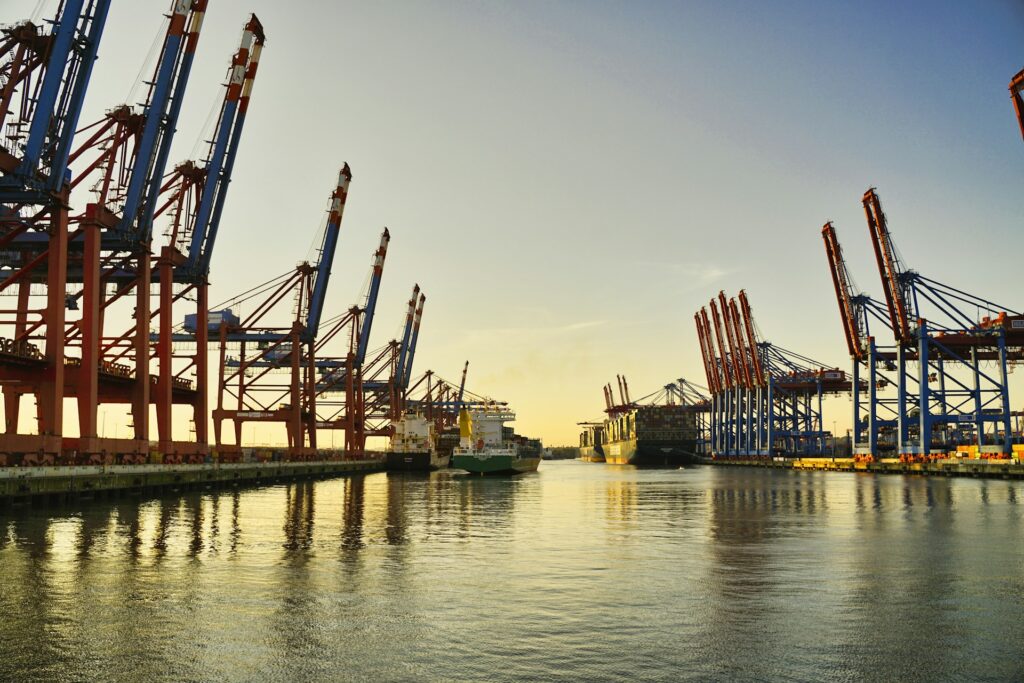
When the ship berths, the container is unloaded at the terminal. It can leave once the shipping line has released it, the ABF has cleared the import declaration and DAFF has no outstanding biosecurity concerns. The shipping line releases cargo against the original bill of lading, a telex release or a sea waybill. Suppliers in China often hold the original bill or the telex release until the balance of the order is paid, and a late payment leaves the container sitting at the wharf.
What holds a container up at the wharf
Terminals allow a short period of free storage, then charge for every extra day. The shipping line gives a set number of free days to return the empty container to the nominated empty park, then charges detention by the day. On top of that, each terminal charges the transport company an infrastructure fee on every container it collects, and the fee is passed on to the importer. The ACCC’s monitoring of container stevedores has reported these landside charges rising for several years. We plan delivery and the empty return around those deadlines, so you pay for as few extra days as possible.
Our sea freight service
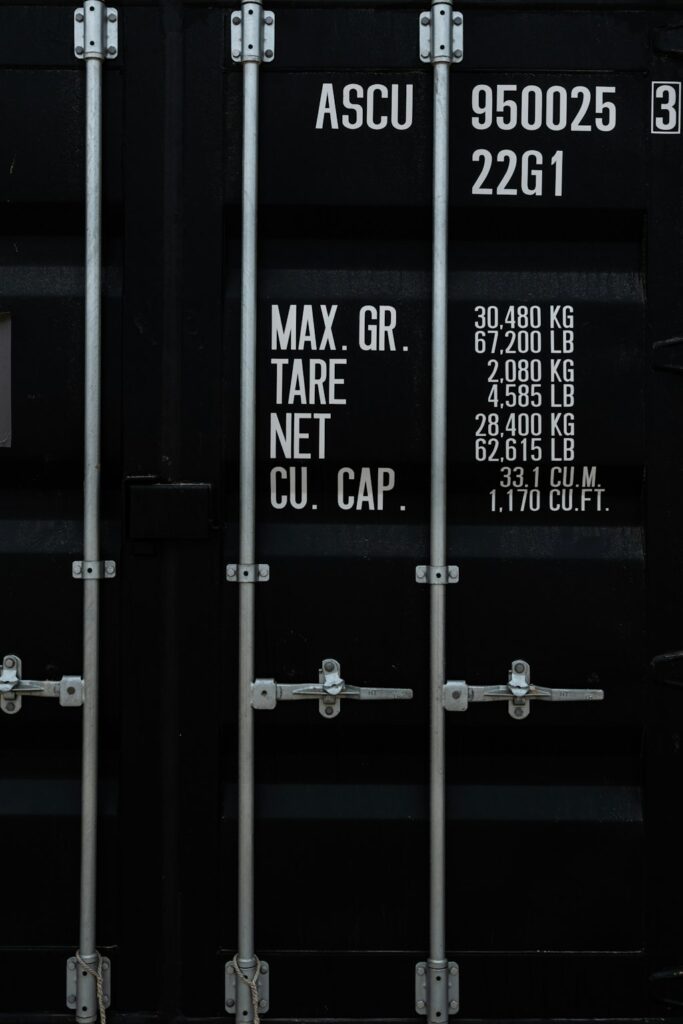
We take over when your supplier’s goods are ready and stay with the shipment until the empty container is back at the park.
Full or part container
With a full container load you pay for the whole container, however much you put in it. Your supplier packs it, it is sealed, and nobody opens it before it reaches you unless the ABF or DAFF inspects it. The goods are handled less, and the container comes straight from the terminal to your door.
With LCL you pay for the space your cargo takes up. Your supplier delivers the goods to a consolidator’s warehouse near the port of loading, where they are packed into a shared container. In Australia that container goes to a container freight station to be unpacked. Your goods are usually ready a few working days after the ship berths, and the station charges for unpacking and handling on top of the ocean freight.
Most general cargo weighs well under a tonne per cubic metre, so for LCL the volume sets the price. LCL services usually charge a minimum of one cubic metre.
As a rough guide, from about 13 to 15 cubic metres a 20-foot container costs about the same as LCL or less, and the cargo travels sealed. A shared container also carries a risk you don’t control: if another shipper’s goods are held for inspection, the whole container can wait with them.
Combining several suppliers into one container
If you buy from several factories in the same region, each supplier can deliver to one warehouse at the port of loading. The goods then ship together as one full container under one bill of lading, instead of as separate LCL shipments that each pay their own charges at both ends.
Imports from China
Most of the sea freight we handle starts in China. The main ports of loading are Shanghai, Ningbo, Shenzhen and Qingdao, with regular services to Sydney, Melbourne and Brisbane. On a direct service the voyage takes about 12 to 18 days.
Door to door takes longer. Before the sailing, the goods have to be collected and delivered ahead of the cut-off. After it, the container still has to be unloaded and cleared before delivery. From a factory in China to a warehouse in Sydney, plan on about four to six weeks.
Two holidays in China affect when cargo can move. Factories close for Lunar New Year, in January or February, many of them for two weeks or more, and space on ships tightens and rates rise in the weeks before it. Golden Week, 1 to 7 October, has a smaller version of the same effect. Book early ahead of both, or expect the cargo to wait for space.
Cargo insurance
A shipping line’s liability for lost or damaged cargo is limited by law. For some losses it owes nothing.
The carrier’s limit
Under the Carriage of Goods by Sea Act 1991, a carrier’s liability is capped at 666.67 Special Drawing Rights per package or 2 per kilogram, whichever is higher. In October 2026 that came to about AUD 1,300 per package or AUD 3.90 per kilo. Carriers are also not liable for some causes of loss, such as perils of the sea.
General average
When a ship’s owner sacrifices cargo or pays costs to save the vessel, after a fire or a grounding for example, they can declare general average. Every cargo owner on board then shares the cost in proportion to the value of their goods, even owners whose cargo arrived undamaged. The cargo is held until security is lodged. The owner of the Ever Given declared general average after the ship blocked the Suez Canal in 2021.
Marine cargo insurance
A marine cargo policy pays out on the value of your goods, whatever the carrier’s limit. When general average is declared, the insurer provides the guarantee that gets your cargo released. Without cover, the shipowner can ask you for a cash deposit first. We arrange cover with your sea freight booking.
Who we work with
Our clients are Australian businesses that ship on a regular programme, such as a container a month from the same factory or pallets every few weeks from a group of suppliers. Exporters with orders on a fixed schedule use us too. We also ship commercial one-offs large enough to need planning, such as a machinery purchase or a project shipment.
On a regular programme we learn your suppliers’ lead times and your busy months, and plan the bookings around them.
We don’t ship household goods or private purchases. An international removalist will look after those better.
The process
From your supplier to your door, in five steps.
1
Send us what you are shipping, the supplier’s city or port, the number of cartons or pallets, the volume and weight, and the Incoterm on your order.
2
We recommend FCL or LCL and prepare a quote by hand for your cargo and route.
3
We book the sailing, arrange collection from your supplier and check the documents before the cut-off.
4
While the ship is at sea we track it, prepare the customs clearance and tell you if the arrival date changes.
Once the cargo is released, we deliver it to your door or into storage with our warehousing partners, and return the empty container.
Why Selsby Solutions
Same team, every shipment
Service is the main reason our clients stay. You deal with the same small team on every shipment, and they already know your products and your suppliers.
Service kept in house
At the large forwarders it is common to reach a different person every time you call. Our customer service is not outsourced.
Broker and freight together
Customs broking and freight sit under one roof here. Our licensed custom brokers are in house, not outsourced, so the person accountable for your declaration works in the business.
FAQ
Short answers to what comes up before a first shipment.
These are Incoterms, and they set who books and pays for each part of the journey. On FOB (free on board), your supplier clears the goods for export and loads them, and we book the freight from there, which keeps the freight and the Australian charges under your control. On CIF or CFR, the supplier’s forwarder books the freight and its Australian agent bills the charges at this end, often at rates you can’t compare in advance. EXW (ex works) leaves the export clearance in China to you, which is hard to arrange without a local agent.
Yes, as LCL. The container freight station’s charges in Australia apply however small the shipment is, so one or two pallets cost more per kilo than the ocean rate suggests. For a shipment that size, ask us to price air freight as well.
A commercial invoice and a packing list for every shipment. Every sea container, full or shared, also needs a packing declaration from whoever packed the goods, and for a full container it covers the container’s cleanliness as well. Send the certificate of origin too if your goods qualify for a free trade agreement.
Yes, for full and part container loads. Before a packed container is loaded, the shipping line needs its verified gross mass: the weighed total of the cargo, packing and container, required under the international SOLAS rules. Terminals accept export containers only within a set receival window before the ship arrives, so we time the packing and delivery to fit it.
Shipping lines sometimes cancel a sailing, known as a blank sailing, or drop a port from a voyage, and cargo can be rolled to the next ship when a vessel is full. We tell you as soon as the line advises a change, and rebook the cargo or move it through another port.
Shipping lines set ocean freight mostly in US dollars and review their rates and surcharges often, so a quote holds for a set period only. Fuel (bunker) and peak season surcharges move with the market. Charges at the Australian end are billed in Australian dollars.
Most clients use one or more of these with their sea freight.
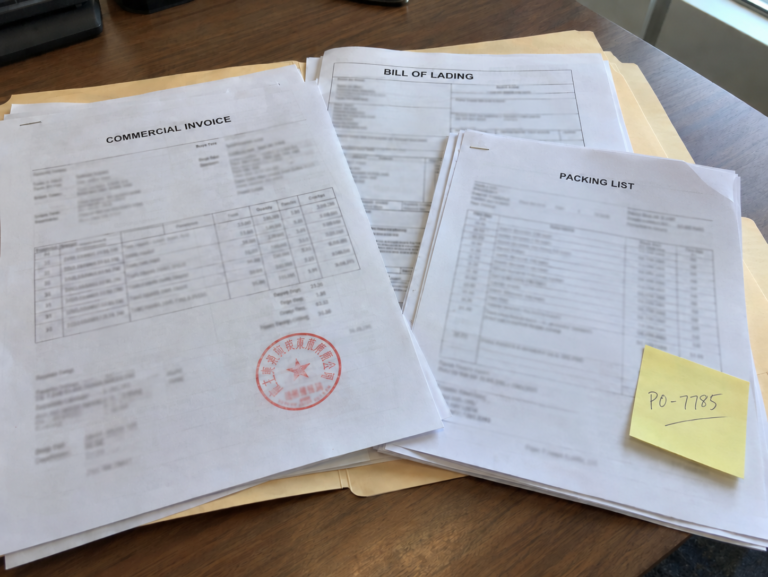
Import and export declarations lodged by our licensed customs brokers.
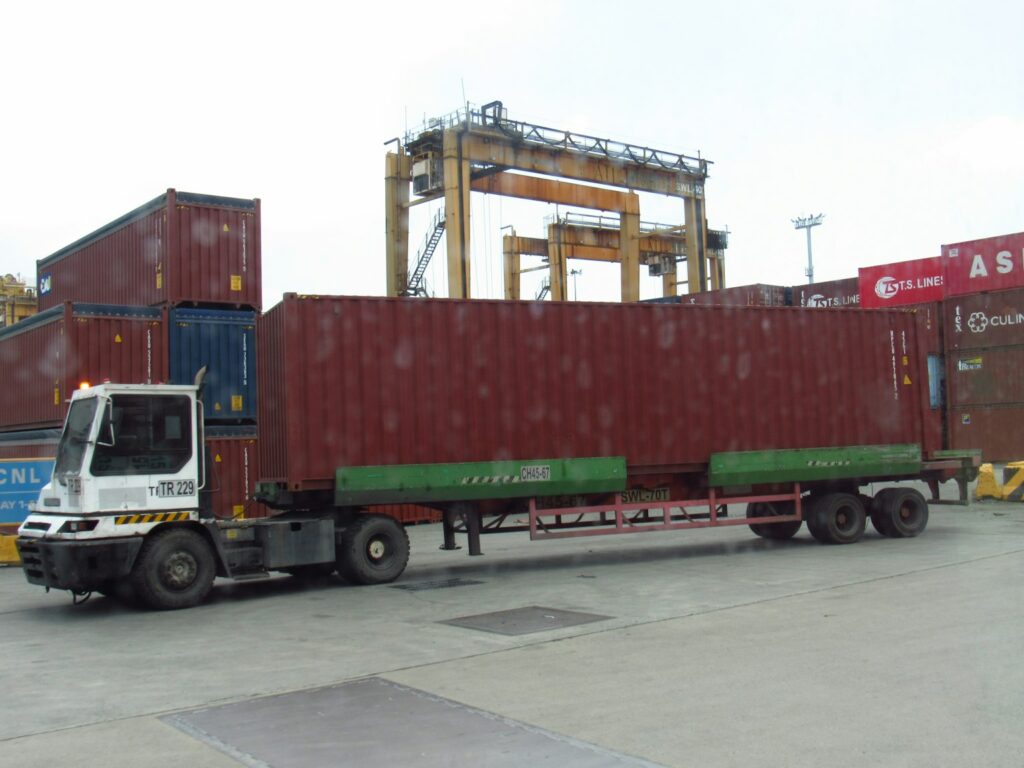
Door-to-door shipments with freight and customs handled by one team.
Get a quote
Tell us what the goods are, where they are going or coming from, and how often you ship. We will come back with a quote prepared for your shipment.
Prefer to talk it through? Call 02 9557 7989.