Air cargo
We book air freight into and out of Australia for consignments that can’t wait for a ship. Our own licensed customs brokers clear the goods when they land, and the team that booked the flight sees them through to your door.
Corporate customs broker licensed by the ABF
In business since 2004
Member of the Freight & Trade Alliance
Same team on every shipment
The basics
Airlines carry cargo in the holds of passenger aircraft and on dedicated freighters. A forwarder books space with the airline under a master air waybill and issues each shipper a house air waybill for their own consignment. Most general cargo travels consolidated, packed with other shippers’ consignments under one master air waybill, which keeps the rate per kilo down.
The flight is the short part. From the main airports in China to Sydney it takes about 9 to 11 hours. Most of the transit time is spent on the ground: collection from the supplier, export clearance and security screening at origin, waiting for the consolidation to close, then unloading and breakdown at the cargo terminal in Australia.
What holds air cargo up
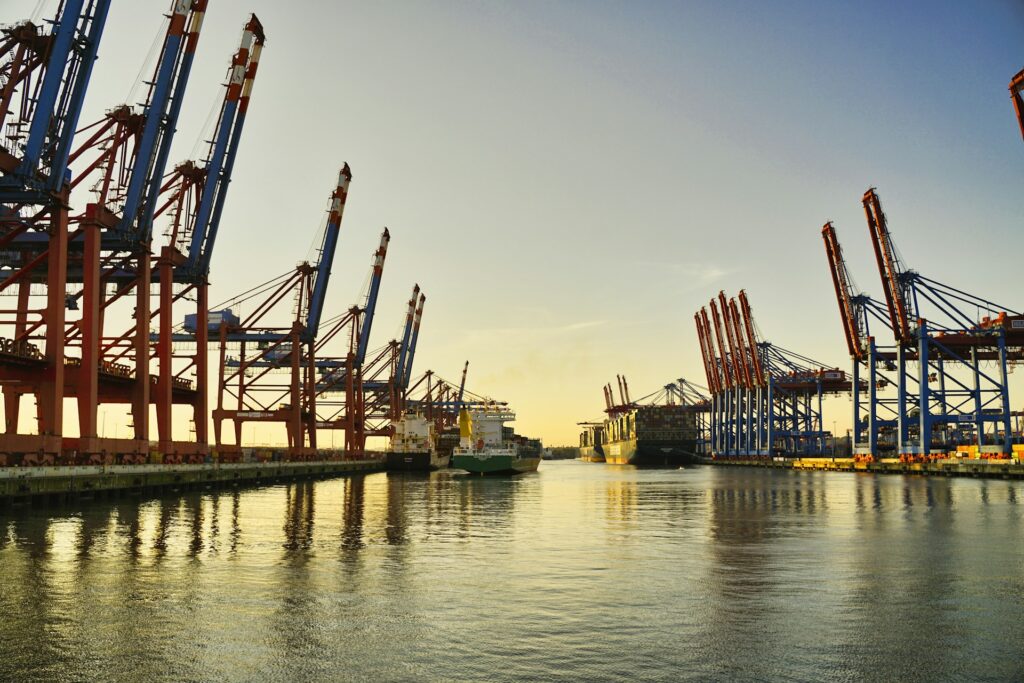
Undeclared lithium batteries can get a consignment refused before it leaves origin. Handlers also measure and weigh cargo, and when the cartons don’t match the air waybill, the charge is reworked on the measured figures. At the Australian end, cargo terminals allow a short period of free storage and then charge by the day, so a declaration waiting on a missing invoice costs money while the goods sit.
Our air freight service
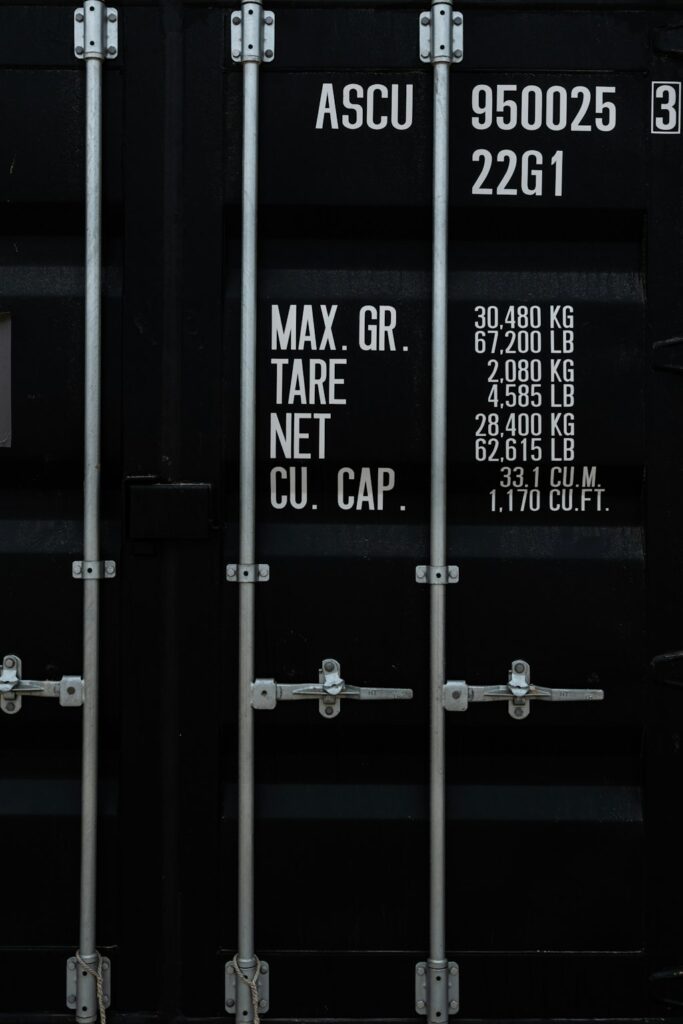
We look after the consignment from your supplier’s door to the cargo terminal in Australia, and from there to yours.
Air freight costs
Airlines sell space as well as weight, so air freight is charged on whichever is greater: the gross weight or the volumetric weight. Volumetric weight treats one cubic metre as 167 kg. A cubic metre of lampshades weighing 40 kg is charged as 167 kg. A cubic metre of machine parts weighing 300 kg is charged at 300 kg.
The rate per kilo falls at each break. When billing at the next break works out cheaper than billing the actual weight, the consignment is charged at the higher break instead, so 90 kg can cost less billed as 100 kg.
Packing decides a lot of the price. Cartons with empty space, oversized outer boxes and timber pallets all add volumetric weight, which makes tight packing the cheapest saving in air freight.
When air beats sea
Air freight costs more per kilo than sea freight, and it can still be the better buy. It suits stock you would otherwise run out of, goods with a high value per kilo, and spare parts for a machine that has stopped. It also frees cash: the goods spend days in transit instead of the four to six weeks a sea shipment from China takes door to door. With a regular programme, the bulk of an order can go by sea and an urgent top-up by air.
Dangerous goods
Lithium batteries are dangerous goods under the IATA Dangerous Goods Regulations, whether they travel loose, packed with a product or built into it. That covers power tools, phones, e-scooters and almost anything else with a rechargeable battery.
Lithium-ion batteries shipped on their own (UN3480) can only fly on cargo aircraft, at no more than 30% charge. From 1 January 2026 the same 30% limit applies to lithium-ion batteries above 2.7 watt-hours that are packed with equipment (UN3481).
Your supplier has to pack, mark and label battery shipments to the regulations and supply the manufacturer’s UN 38.3 test summary. Airlines can refuse a consignment that falls short, and undeclared dangerous goods carry penalties. Tell us about batteries when you ask for a quote, so the booking goes to an airline and service that accepts them.
Ways to ship by air
The same consignment can fly in three ways, at different speeds and prices.
Consolidated air freight
Your cargo joins other shippers’ consignments under one master air waybill. It is the lowest rate per kilo for general cargo. Consolidations close on set days, so allow a day or two at origin.
Direct air freight
Your consignment flies on its own master air waybill, booked on a named flight. It costs more per kilo and skips the wait for a consolidation to close and be broken down. It suits urgent and larger consignments.
Express courier
Courier networks carry small parcels door to door and clear them through their own systems. For a few kilos they are quick and simple. Beyond a few cartons, air freight through a forwarder usually costs less per kilo.
Who we work with
Our air freight clients are Australian businesses that import or export on a regular schedule and fly goods when timing counts, such as a stock top-up before a sale period or parts for a machine that has stopped. We also fly commercial one-offs, such as a replacement component for a project.
We are not set up for personal parcels or private purchases. A courier will look after those better.
The process
From quote to delivery, in five steps.
1
Send us the number of cartons, the size and weight of each, what the goods are and whether they contain batteries.
2
We work out the chargeable weight, choose consolidated or direct, and prepare a quote by hand.
3
We book the flight, arrange collection and check the documents before the cargo is handed to the airline.
4
While the cargo is in transit we prepare the import declaration and track its arrival at the terminal.
Once the goods are released, we collect them from the cargo terminal and deliver them to your door.
Why Selsby Solutions
Same team, every shipment
Service is the main reason our clients stay. You deal with the same small team on every shipment, and they already know your products and your suppliers.
Service kept in house
At the large forwarders it is common to reach a different person every time you call. Our customer service is not outsourced.
Broker and freight together
Customs broking and freight sit under one roof here. Our licensed custom brokers are in house, not outsourced, so the person accountable for your declaration works in the business.
FAQ
Short answers on timing, cover and costs.
Door to door, consolidated air freight takes about 3 to 10 days. The airports, the consolidation days and clearance decide where a shipment falls in that range. Direct services are quicker. Space is tight from October through to Lunar New Year, around Christmas, and transit times stretch then.
Only up to a limit. Under the Montreal Convention an airline’s liability for cargo is capped at 26 Special Drawing Rights per kilogram, about AUD 50 per kilo in October 2026. For electronics or parts valued at hundreds of dollars a kilo, that falls well short, so cargo insurance is the safer choice. We can arrange it with the booking.
Yes. Since March 2019, all air cargo leaving Australia has to come from a Known Consignor or be examined piece by piece by a regulated air cargo agent before it flies. We arrange the screening, lodge the export declaration and book the flight. Goods packed at a site approved as a Known Consignor skip the piece-level examination.
Airlines add both to the freight rate, charged per chargeable kilo. The fuel surcharge follows the price of jet fuel and changes often, so an air freight quote holds for a short period only.
All of Australia’s international airports. Most international air cargo lands at Sydney, Melbourne or Brisbane, and consignments for smaller cities often arrive there and travel on by road or a domestic flight.
Most clients use one or more of these with their air freight.
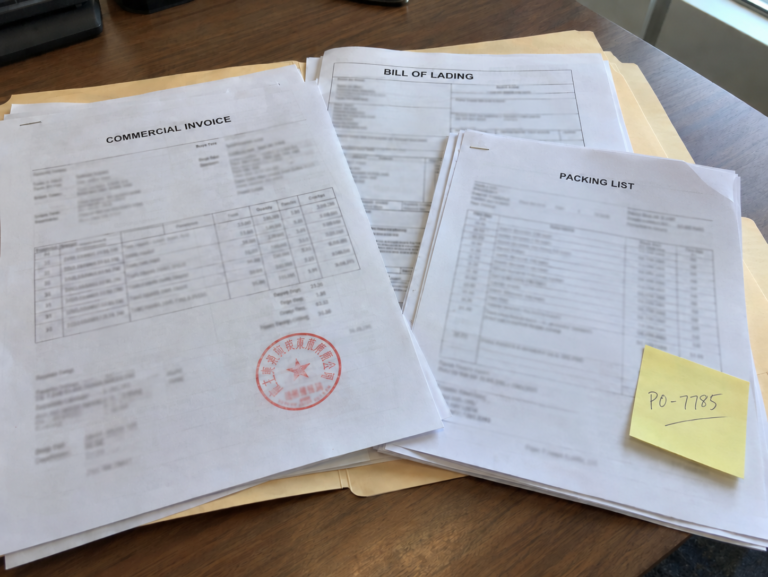
Import and export declarations lodged by our licensed customs brokers.
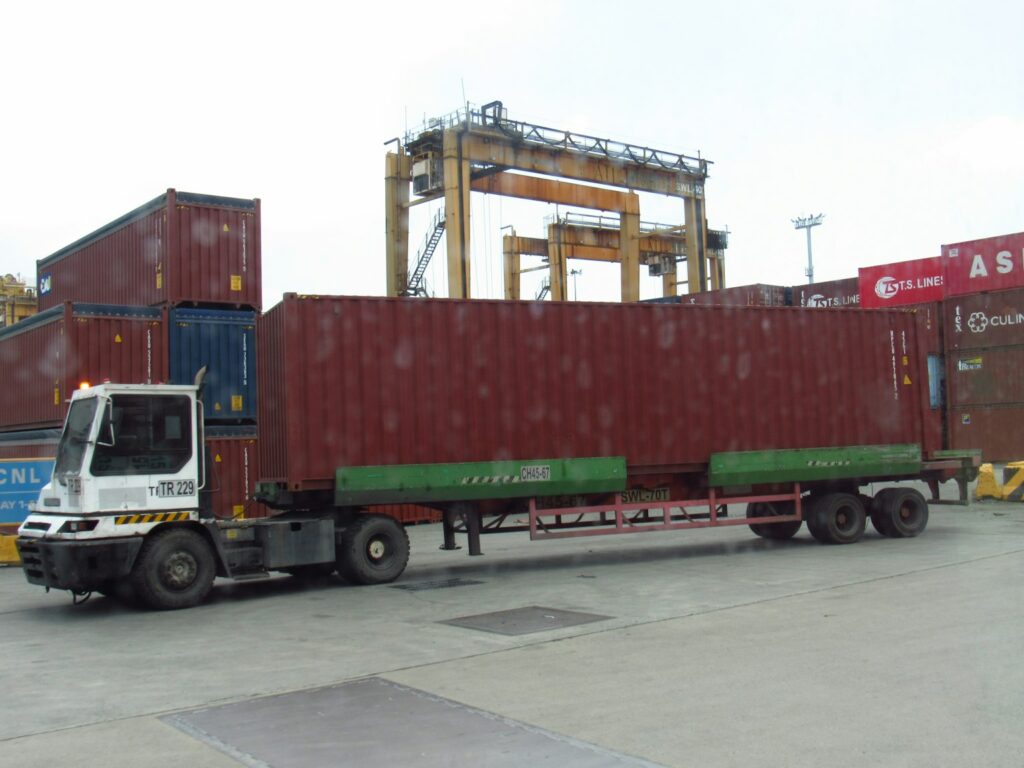
Door-to-door shipments with freight and customs handled by one team.
Get a quote
Tell us what the goods are, where they are going or coming from, and how often you ship. We will come back with a quote prepared for your shipment.
Prefer to talk it through? Call 02 9557 7989.