Door-to-door freight
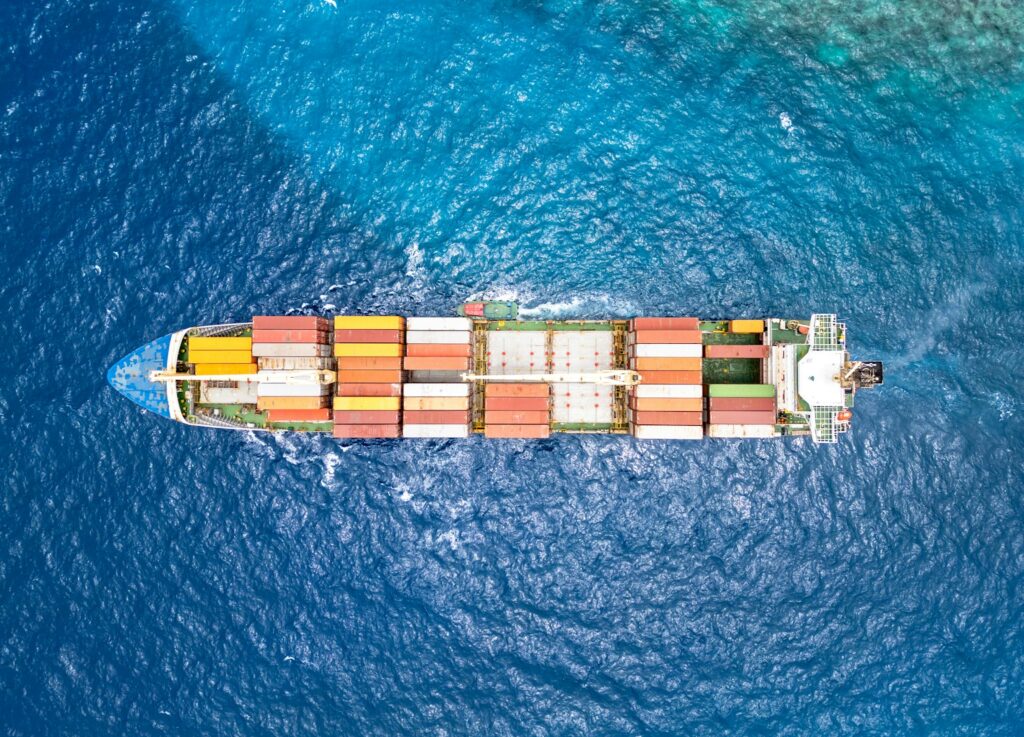
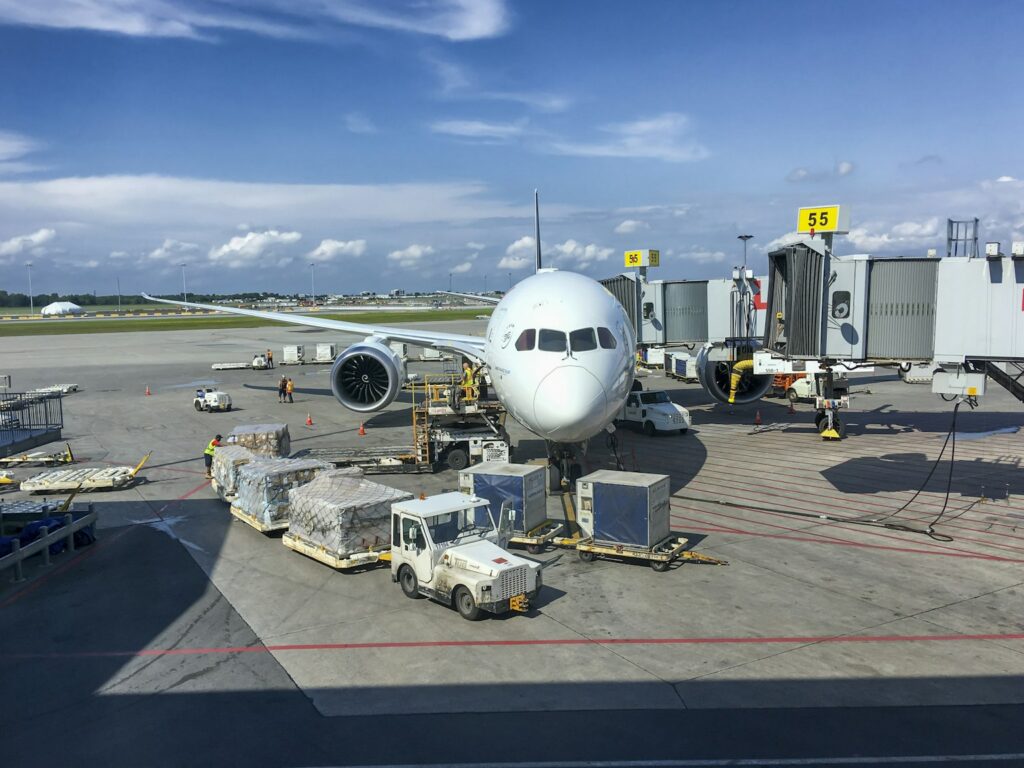
We run the whole shipment, from collection at your supplier to delivery at your door, by sea or by air, with customs cleared by our own licensed brokers. You deal with one team for all of it.
Corporate customs broker licensed by the ABF
In business since 2004
Member of the Freight & Trade Alliance
Same team on every shipment
The basics
A freight forwarder organises the movement of your goods without owning the ships, aircraft or trucks. We book space with shipping lines and airlines, arrange the trucks at each end, prepare the documents and issue our own house bill of lading or house air waybill for your consignment. The carrier deals with us, and you deal with one forwarder instead of a chain of separate companies.
Door to door means the forwarder arranges every leg: collection from the supplier’s factory, export clearance at origin, the main freight, import clearance in Australia and delivery to your site. Port to port covers the main freight only, and everything either side is left to you or your supplier. The Incoterm on your purchase order decides which legs are yours to arrange.
Clearance is where a split service costs time. When freight and customs sit with different companies, an ABF or DAFF query waits while documents move between them, and the goods sit at the wharf or the cargo terminal in the meantime. Selsby Solutions is licensed as a corporate customs broker, so both sit with one team here.
Who carries the risk while goods are moving
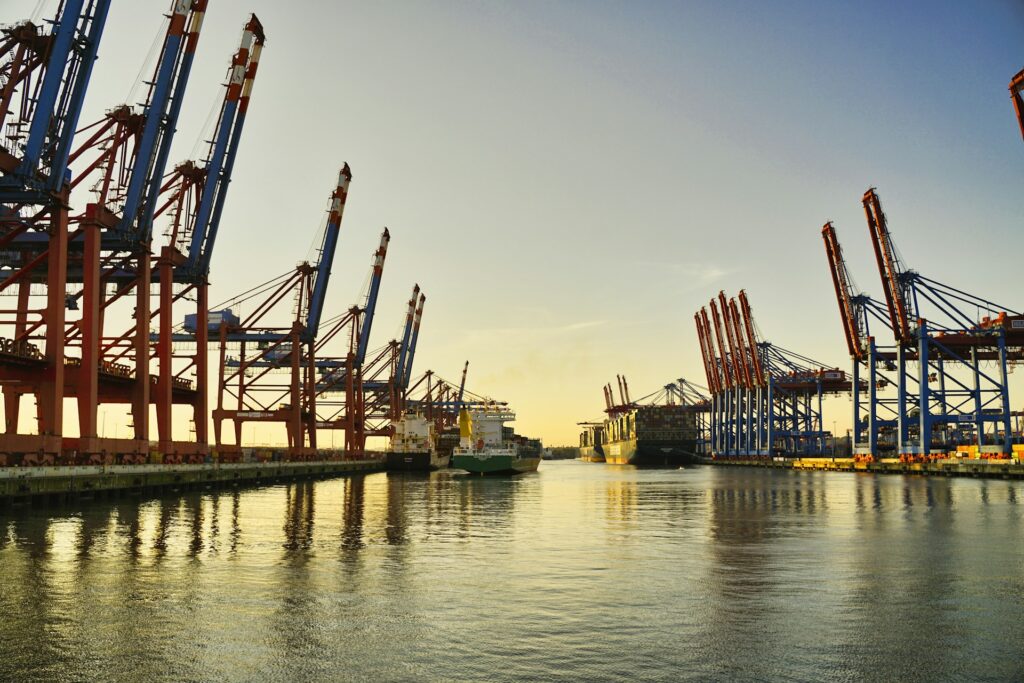
A forwarder arranges the transport. It does not insure the goods by default. Risk passes from your supplier to you at the point your Incoterm sets: on FOB terms, once the goods are loaded on board the ship at origin. After that, a loss is yours to recover, either from a carrier whose liability is capped by law or from your own cargo insurance. Forwarders in Australia also trade on standard terms that limit their own liability, so check what cover you hold before the goods leave.
Our freight forwarding service
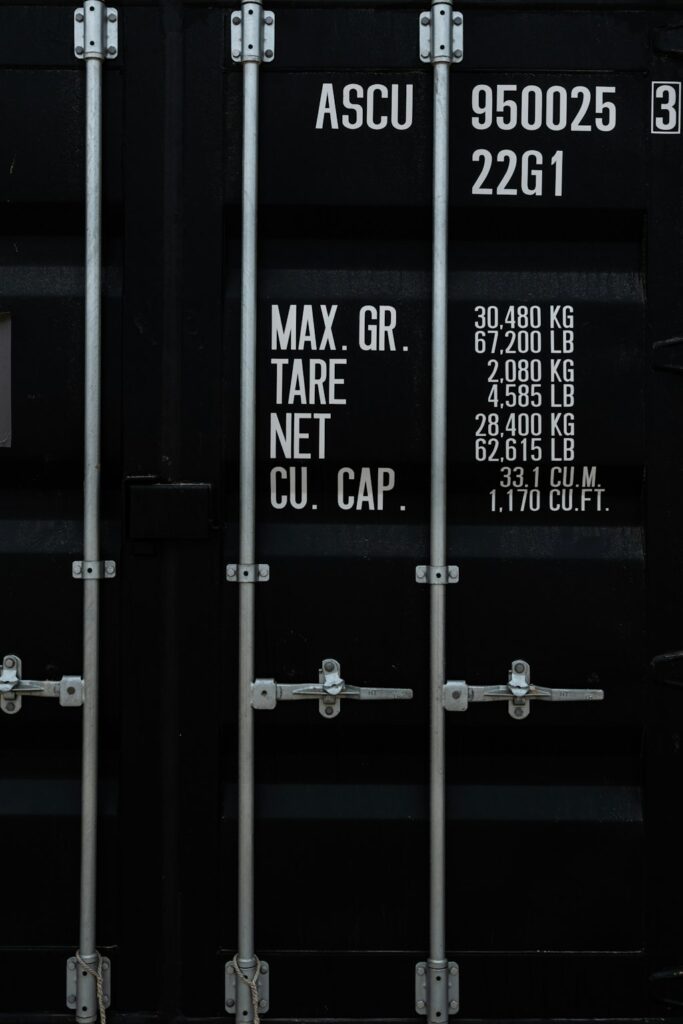
Every leg is booked and tracked by the same team, whichever way the goods travel.
Landed cost
The supplier’s price is one line of what a product costs you. Landed cost adds everything it takes to get the goods to your door: freight, insurance, duty, the charges at both ends and delivery. Divided by the number of units, it gives the figure your pricing has to cover.
Import GST works differently from the other costs. GST-registered importers claim it back on their next activity statement, so it affects cash flow more than cost. The Customs Clearance page sets out how duty and import GST are calculated.
The charges at both ends are where estimates go wrong. At origin they cover collection, export clearance and terminal handling, unless your supplier’s price includes them. In Australia they cover terminal handling, the infrastructure fees on containers, customs clearance and the ABF’s import processing charge. Leave them out and the landed cost looks better on paper than it is.
Exchange rates and the landed cost
Suppliers in China mostly invoice in US dollars, and sea and air freight are priced in US dollars too. A fall in the Australian dollar between order and payment raises the landed cost of goods already ordered. For duty, the ABF converts the customs value at the exchange rate on the day the goods are exported.
Buying DDP
Some suppliers quote DDP (delivered duty paid) prices, with freight, duty and GST included and the goods delivered to your door. On a DDP shipment the supplier, or its agent, is the importer. It pays the import GST, and under the ATO’s rules only the importer can claim that GST back.
To claim a GST credit on imported goods, you have to be the importer: you brought the goods into Australia for your own purposes, and you are named as the owner on the import declaration. On DDP terms neither applies to you, so the GST built into the supplier’s price stays a cost to your business. You also never see the import declaration, so you can’t check the value or tariff classification the goods were cleared on.
For a business importing regularly, buying FOB and importing in your own name keeps the GST credit and the paperwork in your hands.
Exports
Exports carry their own paperwork on top of the freight booking. We arrange it alongside the booking.
The export declaration
Goods valued at more than AUD 2,000 per consignment, and any goods that need a permit, need an export declaration lodged with the ABF. The Export Declaration Number it produces has to be in place before the cargo is loaded.
Certificates of origin
Buyers in countries that have a free trade agreement with Australia, China included, pay less duty when the goods qualify and come with proof of origin. Under ChAFTA and several other agreements that means a certificate of origin from an authorised issuer, such as the Australian Chamber of Commerce and Industry or the Australian Industry Group. Other agreements accept a declaration of origin from the exporter.
Permits for food and farm goods
Prescribed goods, including meat, dairy, seafood, eggs, and plants and plant products, need a DAFF export permit before they leave, and have to be prepared at an export-registered establishment. Many destinations also want a health or phytosanitary certificate, issued through DAFF.
Who we work with
Our clients are Australian importers and exporters who want one company running their freight from end to end, often across several suppliers and both sea and air. Most of the goods we move come from China, and we ship to and from other countries as well.
Larger commercial one-offs are welcome too, such as a machinery purchase or a project shipment, where one missed leg can hold up a whole job.
We don’t move household goods or private purchases.
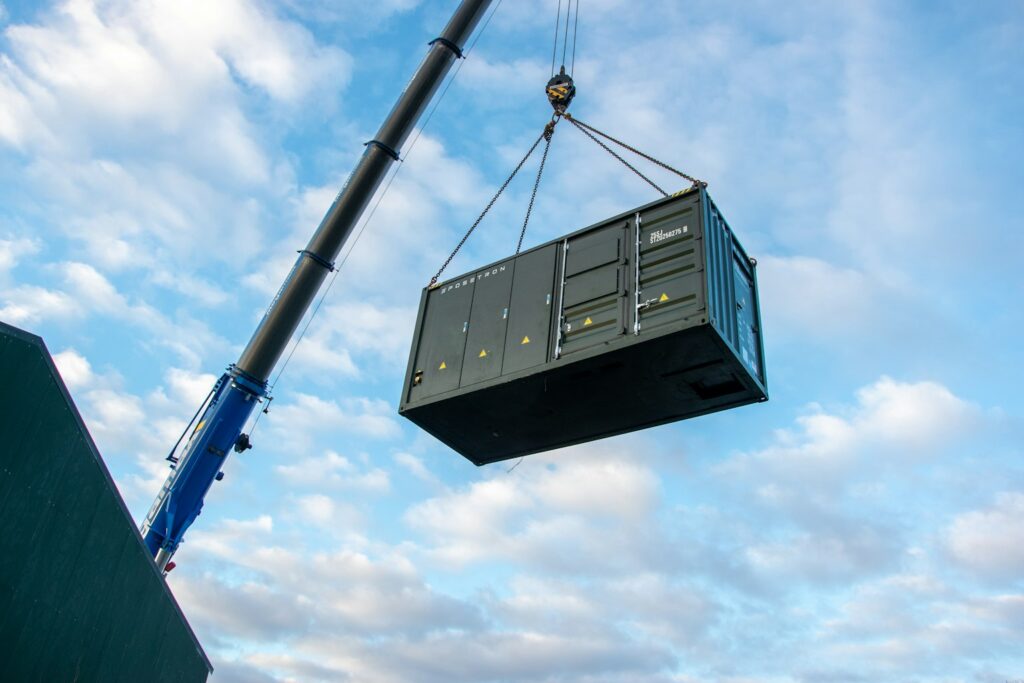
The process
From purchase order to delivery, in five steps.
1
Send us the supplier’s details, the goods, the Incoterm and the size and weight of the order, and tell us how often you ship.
2
We plan the route and the mode, sea, air or a split, and prepare a quote by hand.
3
We arrange collection, book the freight and check every document before the goods leave.
4
While the goods are in transit, we lodge the customs declaration and deal with the ABF and DAFF.
The goods are delivered to your site, or into storage with our warehousing partners.
Why Selsby Solutions
Same team, every shipment
Service is the main reason our clients stay. You deal with the same small team on every shipment, and they already know your products and your suppliers.
Service kept in house
At the large forwarders it is common to reach a different person every time you call. Our customer service is not outsourced.
Broker and freight together
Customs broking and freight sit under one roof here. Our licensed custom brokers are in house, not outsourced, so the person accountable for your declaration works in the business.
FAQ
Short answers on how working with a forwarder goes.
A freight forwarder arranges the transport of your goods. A customs broker is licensed by the ABF to lodge customs declarations on your behalf. Some companies do one, some do both. We do both: Selsby Solutions is licensed by the ABF as a corporate customs broker.
Yes. If your supplier books the freight on CIF or CFR terms, we can take over in Australia with customs clearance and delivery. If you want control of the whole shipment, ask your supplier for an FOB price on the next order and we book from origin.
No. Most of our import work comes from China, and we also handle cargo from elsewhere in Asia and other markets, and exports to any country.
Not strictly. The ABF identifies importers by their ABN, or by a Customs Client Identifier for importers without one. To claim the import GST back, you need to be registered for GST.
Each shipment is quoted by hand. A door-to-door quote covers the freight and the charges at both ends. Duty and import GST are set by the ABF and depend on the goods, so we estimate them separately before the goods ship.
Most clients use one or more of these with their air freight.
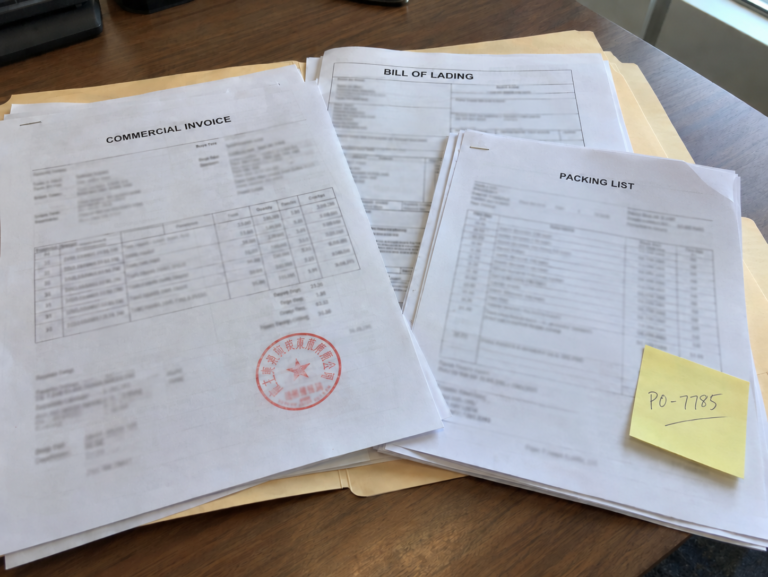
Import and export declarations lodged by our licensed customs brokers.
Get a quote
Tell us what the goods are, where they are going or coming from, and how often you ship. We will come back with a quote prepared for your shipment.
Prefer to talk it through? Call 02 9557 7989.
Get a quote
Company
Contact

Get a free quote! Call Now: 02-955-77-989
© Selsby Solutions Pty Ltd | Powered by: WebFurnace
Privacy Policy