Customs broking
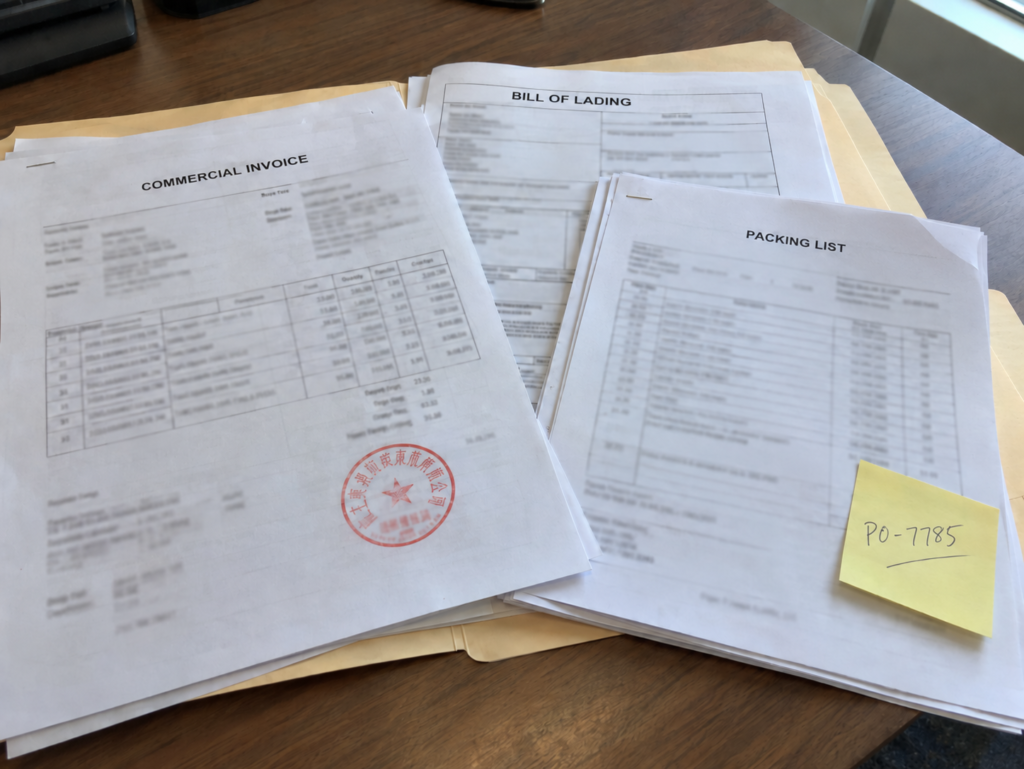
We clear general cargo through every Australian port, by sea and by air, for imports and exports. Most of our clients ship with us again and again, and they deal with the same people on every shipment.
Corporate customs broker licensed by the ABF
In business since 2004
Member of the Freight & Trade Alliance
Same team on every shipment
The basics
Customs clearance is the process of getting imported goods released by the Australian Border Force (ABF) and the Department of Agriculture, Fisheries and Forestry (DAFF). Any consignment valued above AUD 1,000 needs an import declaration lodged with the ABF before it can leave the wharf or the air cargo terminal. The declaration goes through the ABF’s Integrated Cargo System. It states what the goods are, what they cost, where they were made and which tariff classification applies. The ABF uses it to assess duty and GST, and DAFF uses the same information to decide if the goods pose a biosecurity risk.
Your goods are released once the declaration is accepted, the duty, GST and import processing charge are paid, and DAFF has no outstanding concerns. Until all of that has happened, the cargo stays where it is.
An importer can lodge their own declaration. Anyone lodging on an importer’s behalf must be a licensed customs broker. Greg Selsby, who owns Selsby Solutions, holds that licence, so our broking is done in house and is not passed to a third party.
A declaration that doesn’t match the commercial invoice, a missing packing declaration or a wrong tariff code can put a hold on the shipment. While it is held, wharf storage and container detention charges build up by the day, and they are billed to the importer. A false or misleading statement in a declaration can also bring an ABF infringement notice, even when the mistake was honest. Most of this is avoidable if the documents are checked before the ship sails.
Our customs broking service
Import costs
Most goods that attract duty are charged 5% of their customs value. Customs value is normally the price paid for the goods at the point of export, so international freight and insurance are left out of the duty sum. GST is then 10% of a larger figure: customs value, plus duty, plus the cost of international freight and insurance. The ABF also applies an import processing charge to each declaration above AUD 1,000.
Classification drives all of it. Two products that look alike can sit under different tariff headings with different rates, and the wrong heading means you overpay or underpay. When the ABF finds an underpayment later, the importer owes the shortfall and often a penalty as well.
Some products carry extra duty that a standard calculation misses. Certain steel and aluminium products from China are subject to anti-dumping duties. These apply on top of ordinary duty and are not removed by a free trade agreement. We check for them before you commit to a supplier price, because they can decide if an import is viable.
Imports from China
Under the China-Australia Free Trade Agreement, Australian tariffs on Chinese-origin goods were fully eliminated by 1 January 2019. The saving is not automatic. Goods have to meet the agreement’s rules of origin, and the claim has to be supported by a ChAFTA certificate of origin issued by an authorised body in China or, in limited cases, a declaration of origin. Each certificate covers a single shipment.
Without valid origin documents the general rate applies, which for most goods is 5%. On a consignment with a customs value of $100,000, that is $5,000 in duty the importer did not need to pay.
We ask for the certificate of origin along with the other shipping documents and check it against the invoice before the goods sail. Errors are much easier for your supplier to fix while the cargo is still in China. For goods from other countries we check the agreements that apply there, such as RCEP and the ASEAN-Australia-New Zealand agreement.
Biosecurity
Every full container load needs a packing declaration from the packer or supplier. It confirms the container is clean and states what packaging materials were used. Straw and similar plant material are not acceptable packaging. Timber pallets, crates and dunnage must be treated and marked to the ISPM 15 standard.
Our clients are mostly small and medium Australian businesses that import stock or materials on a regular schedule, usually by the container or pallet and usually from China. The owner tends to be the person we talk to.
Already have a freight forwarder? We can act as your customs broker alone and work with whoever is moving the cargo. Most clients have us handle freight and customs together. One team then holds all the documents, and nobody waits on a second company when the ABF or DAFF asks a question.
We are not set up for personal effects or one-off private purchases. If that is what you need cleared, a broker that specialises in personal imports will look after you better.
The process
From first documents to delivery, in five steps.
1
Send us the commercial invoice, the packing list and a plain description of the goods. For a new product, photos and a spec sheet help with classification.
2
3
4
Why Selsby Solutions
Same team, every shipment
Service is the main reason our clients stay. You deal with the same small team on every shipment, and they already know your products and your suppliers.
Service kept in house
At the large forwarders it is common to reach a different person every time you call. Our customer service is not outsourced.
Broker and freight together
Customs broking and freight sit under one roof here. Our licensed custom brokers are in house, not outsourced, so the person accountable for your declaration works in the business.
FAQ
Answers to the questions importers ask us most.
The law lets an importer lodge their own import declaration. To do it you need your own access to the Integrated Cargo System and a working knowledge of the Customs Tariff, and you carry the liability for any error. Most commercial importers use a licensed broker for that reason.
Yes. We need the bill of lading or air waybill, the arrival notice from your forwarder and the usual commercial documents. We lodge the declaration and work with your forwarder on release and delivery.
The importer remains legally responsible for the information in a declaration, even when a broker lodges it. That is why we ask detailed questions about your goods.
Consignments valued at AUD 1,000 or less don’t need a full import declaration. They are cleared on a self-assessed clearance declaration, and duty and GST are generally not collected at the border, except on alcohol and tobacco products. Tell us if a sample shipment from a new supplier is coming, so the first full order is classified and documented correctly from the start.
Consignments valued at AUD 1,000 or less don’t need a full import declaration. They are cleared on a self-assessed clearance declaration, and duty and GST are generally not collected at the border, except on alcohol and tobacco products. Tell us if a sample shipment from a new supplier is coming, so the first full order is classified and documented correctly from the start.
All Australian ports. Declarations are lodged electronically, so we can clear a container in Fremantle as readily as one in Brisbane. We clear air freight as well.
A commercial or proforma invoice, a description of the goods, the country they were made in, the Australian port, and how they are moving: full container, part container or air. Tell us how often you expect to ship. Quotes are prepared by hand, so the more we know, the more accurate the figure.
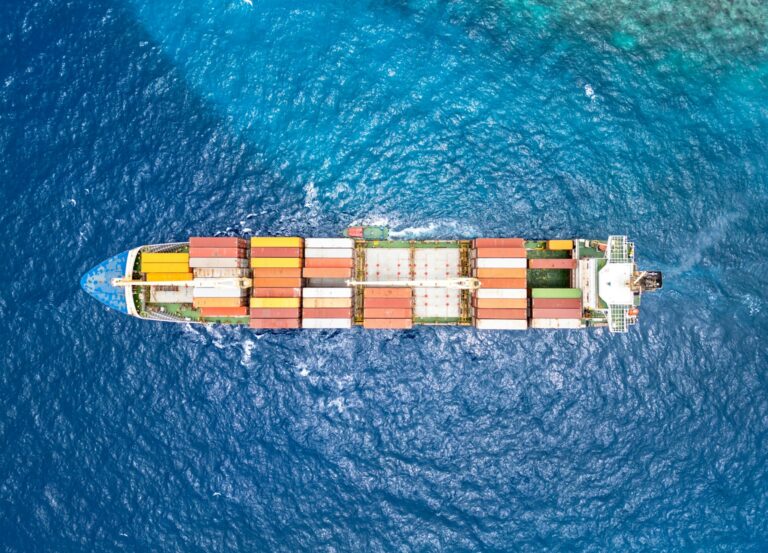
Full container, part container and breakbulk cargo, into and out of Australia.
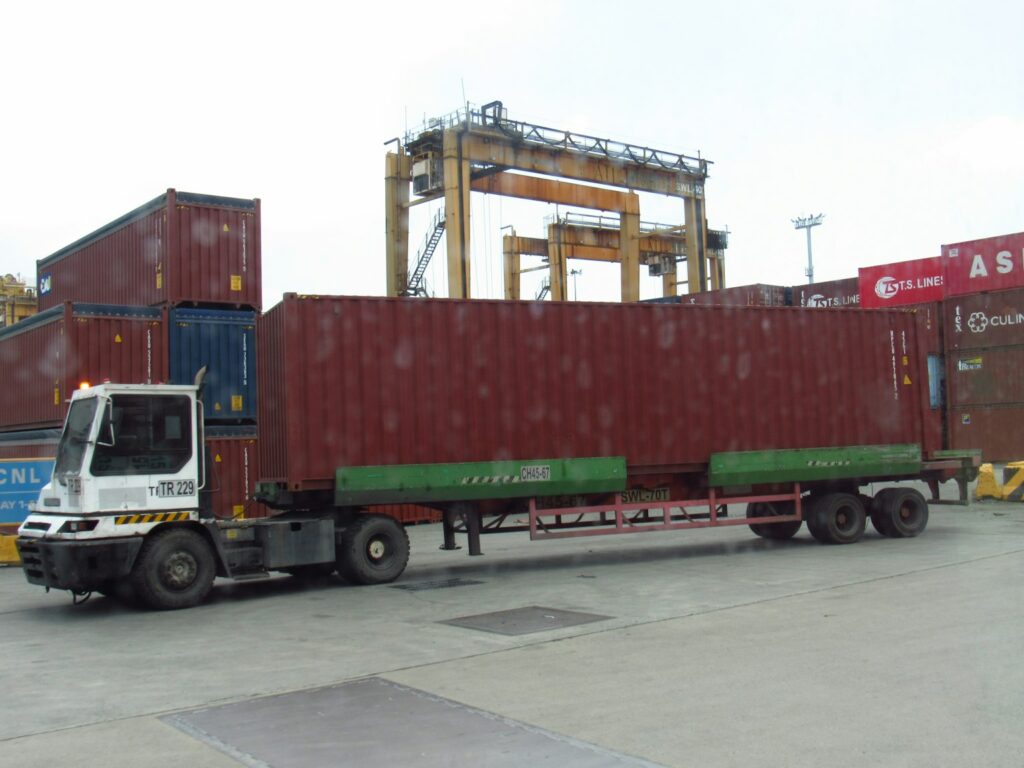
Door-to-door shipments with freight and customs handled by one team.
Get a quote
Tell us what the goods are, where they are going or coming from, and how often you ship. We will come back with a quote prepared for your shipment.
Prefer to talk it through? Call 02 9557 7989.